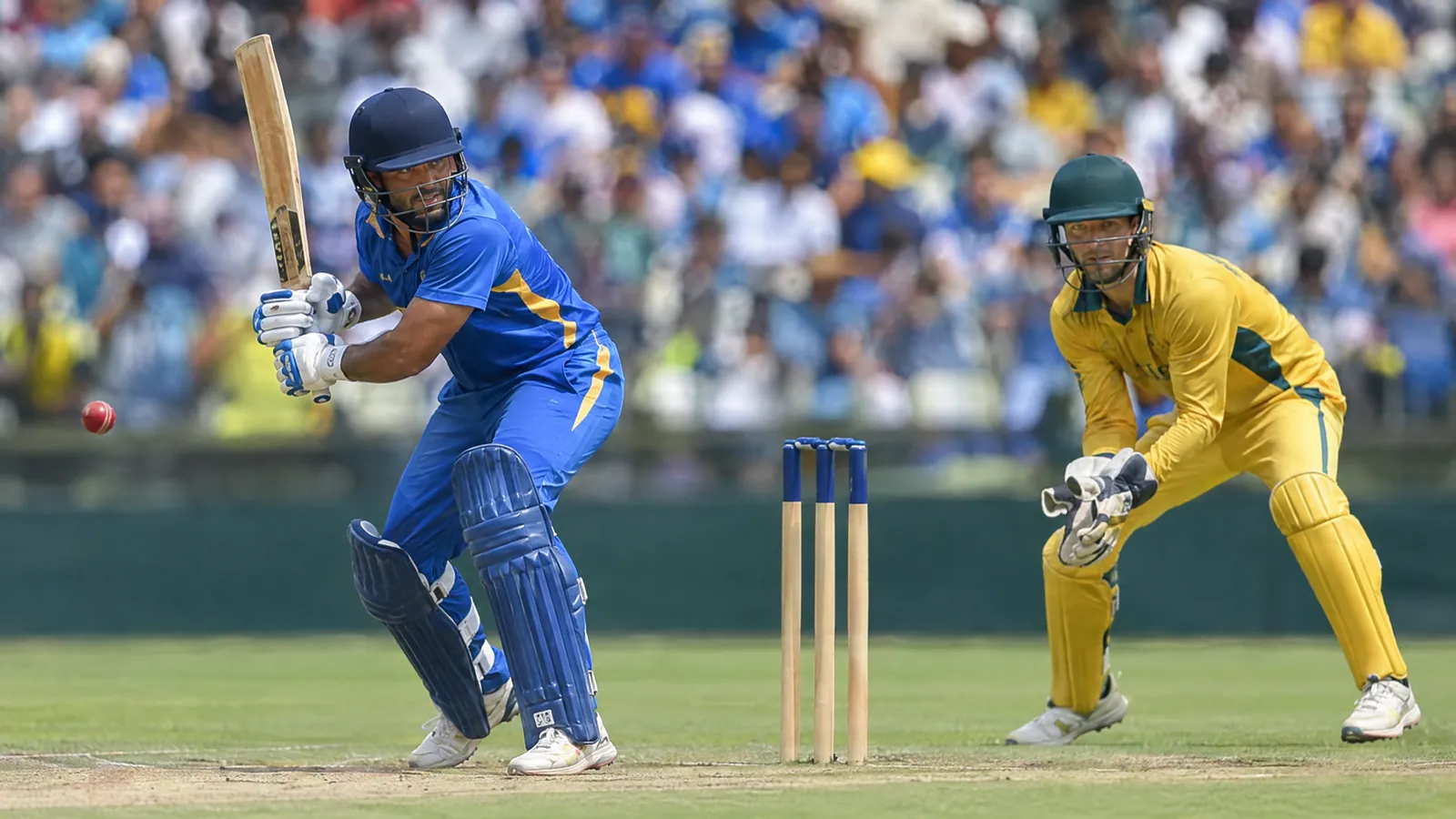
Akram’s criticism follows a confirmed 3-0 defeat
Wasim Akram Babar Azam criticism has become the latest focus of a bruising Pakistan tour of England. England completed a 3-0 Test-series sweep with an eight-wicket victory in Birmingham, the International Cricket Council said on 12 September. The result itself is not in dispute. What is now being argued over is the leadership and communication around a side that changed significantly after going 2-0 down.[1]
Speaking at a charity fundraising event in Manchester alongside Waqar Younis, Akram questioned Babar’s decision to resume the Test captaincy. Several reports carry the same core remarks: Akram said Babar should have remained a player and, in his view, should have stepped away from the role after the second Test. He also qualified the intervention by saying he did not want to blame anyone and could be wrong. That caveat matters. This was a former captain’s assessment, not an official review or a Pakistan Cricket Board finding.[2] [3] [4] [5]
The sharpest line came in response to Babar’s reported statement, before the final Test, that the changes within the touring party were news to him. Akram asked, sarcastically, whether the captain was there to “sell chickpeas” if he did not know. The phrase has travelled quickly because it compresses a complicated tour into a blunt question about authority. It should be read as criticism, not as proof of what Babar knew or did not know at every stage.[2] [3]
What Akram was arguing about leadership
Akram’s central argument was broader than one press-conference answer. He said a player cannot give 100 per cent if a leader or captain does not stand by him. In that framing, a captain is not merely the player who calls at the toss; he is expected to understand major developments, speak for the group and give teammates confidence when selection or staffing decisions are unpopular. That is a demanding standard, particularly on a losing tour.[2] [4]
It is also an opinion about the role, rather than a complete account of Pakistan’s internal decision-making. The reports establish that seven players were sent home after the second Test and that the coaching or staff setup changed. They do not publicly document every conversation between Babar, the PCB, coaches and selectors. Nor do they show whether a captain had the authority to reverse or prevent those decisions. Treating Akram’s criticism as a settled factual verdict would therefore go further than the available evidence.[3] [4] [6]
That distinction is useful for supporters in India and Pakistan alike. Captains rightly attract attention in cricket because they are the visible decision-makers on the field. Administrative authority, however, sits across a board, selection structure and coaching group. A credible review of Pakistan’s England tour would need to examine both layers: match execution and the process behind the disruption.
Why the England tour made the debate sharper
The series delivered three clear results. England won the opening Test at Headingley by an innings and 103 runs, took the second at Lord’s by 194 runs and then won the Edgbaston Test by eight wickets. The ICC’s match report records that England chased 130 in the fourth innings to finish the sweep. Pakistan’s Babar said after the match that the side needed to acknowledge mistakes and work out its best eleven for different conditions.[1] [2] [4]
The timing of the overhaul heightened the scrutiny. According to multiple reports, seven players were sent home following the Lord’s defeat and changes were made to the coaching setup before the final Test. A captain facing that sequence has two linked tasks: lead the players who remain while also explaining, as far as possible, how the team will respond. The public record does not establish that Babar controlled those changes. It does show why a reported lack of consultation became such a sensitive issue.[2] [3] [4]
Pakistan did not turn the final game around, which made the discussion harder to contain. Yet the whitewash should not be reduced to one individual. England were the better side across three Tests, and a series loss normally reflects batting, bowling, fielding, preparation, selection and adaptation to conditions. Akram’s intervention identifies one leadership concern; it does not eliminate those other questions.
Babar’s batting burden is part of the conversation
Babar returned as Test captain in July after Shan Masood’s exit, having previously led Pakistan in the format from 2020 to 2023. Pakistan then drew a two-Test series in the West Indies before travelling to England. That sequence helps explain why Akram framed his point as a question about whether Babar should concentrate on being a player rather than taking on another leadership spell.[2] [4]
Waqar Younis, speaking separately, made a related but distinct case. The former fast bowler said Babar was technically sound but appeared to carry too much captaincy pressure, warning that Pakistan risked “losing a player” if the burden affected his performances. The Times of India also noted that Babar has not made a Test hundred since December 2022. Neither observation proves a simple cause and effect: form changes for many reasons, and captaincy can affect players differently. Still, they explain why the argument has moved beyond one awkward tour comment.[6]
For Babar, the immediate challenge is likely to be practical rather than rhetorical. Runs, clarity of role and a stable environment would answer more questions than any short exchange. For Pakistan, the larger challenge is to make sure that a leading batter is supported by a leadership structure whose responsibilities are understood inside the dressing room as well as outside it.
What Pakistan should take from the reaction
There is no need to treat Akram’s language as a final judgement on Babar’s career. Former players often use forceful language after a poor series, and the attention around this episode reflects Akram’s standing as much as the wording itself. The worthwhile question is whether Pakistan can draw a clearer line between selection decisions, coaching accountability and the captain’s role as team representative.
The next official squad announcement, leadership decision or board statement will provide firmer evidence than post-tour commentary. Until then, the known facts are limited but important: England won 3-0, Pakistan’s tour was disrupted by major reported changes, and Akram believes Babar should not have taken or retained the captaincy. Everything beyond that should be treated with proportion. For more current fixtures and score updates, see Anna News’s live cricket coverage and its red-ball cricket explainer below.[1] [2] [3]
Questions readers ask
What did Wasim Akram say about Babar Azam?
Reports from the Manchester event say Akram questioned Babar’s decision to return as Test captain and said he should have continued only as a player after the second Test. Akram was responding to Babar’s reported statement that the mid-tour changes were news to him.[2] [3] [4]
Did Pakistan lose the England Test series 3-0?
Yes. The ICC confirmed England’s 3-0 series sweep after an eight-wicket win in the third Test at Edgbaston on 12 September 2026.[1]
Did Babar Azam make the PCB’s mid-series changes?
The opened reports do not establish that Babar made those decisions. They report that players were sent home and staff changes followed the second Test. Akram’s comments concern the captain’s leadership and awareness, not a documented finding that he directed the changes.[2] [3] [4]
Why are Waqar Younis’s comments being mentioned?
Waqar made a separate argument that the pressure of captaincy could affect Babar’s batting. It is relevant context to the leadership debate, but it should not be confused with Akram’s remarks or treated as a board decision.[6]
Sources
- England seal convincing WTC series sweep over Pakistan — International Cricket Council. Accessed 2026-09-24T12:31:42+05:30.
- Wasim Akram questions Babar Azam’s decision to accept Test captaincy — Geo News. Accessed 2026-09-24T12:31:05+05:30.
- ‘Were you here to sell chickpeas?’: Wasim Akram on Babar Azam — The Indian Express. Accessed 2026-09-24T12:32:06+05:30.
- ‘Were you here to sell chickpeas?’ Wasim Akram questions Babar’s captaincy — Gulf News. Accessed 2026-09-24T12:31:41+05:30.
- ‘Tum Chhole Bechen Aaye The?’: Wasim Akram Blasts Babar Azam, Says Giving Him Test Captaincy Was ‘Wrong’ — Outlook India. Accessed 2026-09-24T12:31:05+05:30.
- ‘Babar Azam struggles to handle captaincy’: Waqar Younis warns ‘we are losing a player’ — Times of India. Accessed 2026-09-24T12:31:11+05:30.
Anna News Desk reviewed the ICC’s official match report and five independent news reports on 24 September 2026. The match result is confirmed by the ICC. Akram’s charity-event remarks and the reported context are corroborated by multiple news organisations, but no full event transcript, recording or specific Pakistan Cricket Board release about those remarks was available in the sources opened. The supplied Google Trends row is treated as a directional commissioning signal, not a verified live search-volume claim. This is an independent news analysis; it does not assert that Babar Azam alone caused the series defeat or the reported mid-tour decisions.