At a glance: the recovery is broader than a sequel cycle
The 2026 box-office conversation has often been reduced to a simple question: are viewers tired of franchises? The evidence points to a less tidy answer. Familiar series remain capable of drawing very large crowds, while several newer or non-franchise films have also found substantial audiences. The important shift is not that recognition has stopped working; it is that recognition alone is less likely to make a cinema trip feel necessary.
That distinction matters for audiences in India and elsewhere because global theatrical results are built from many local choices: language, price, screen availability, release timing and the alternatives available at home. A major English-language release can travel widely, but locally rooted films, animation, horror and event cinema also compete for attention. The most useful reading of this year is therefore one of changing audience behaviour, not a verdict that either franchises or original films have replaced the other.
A lively year, with a concentrated top end
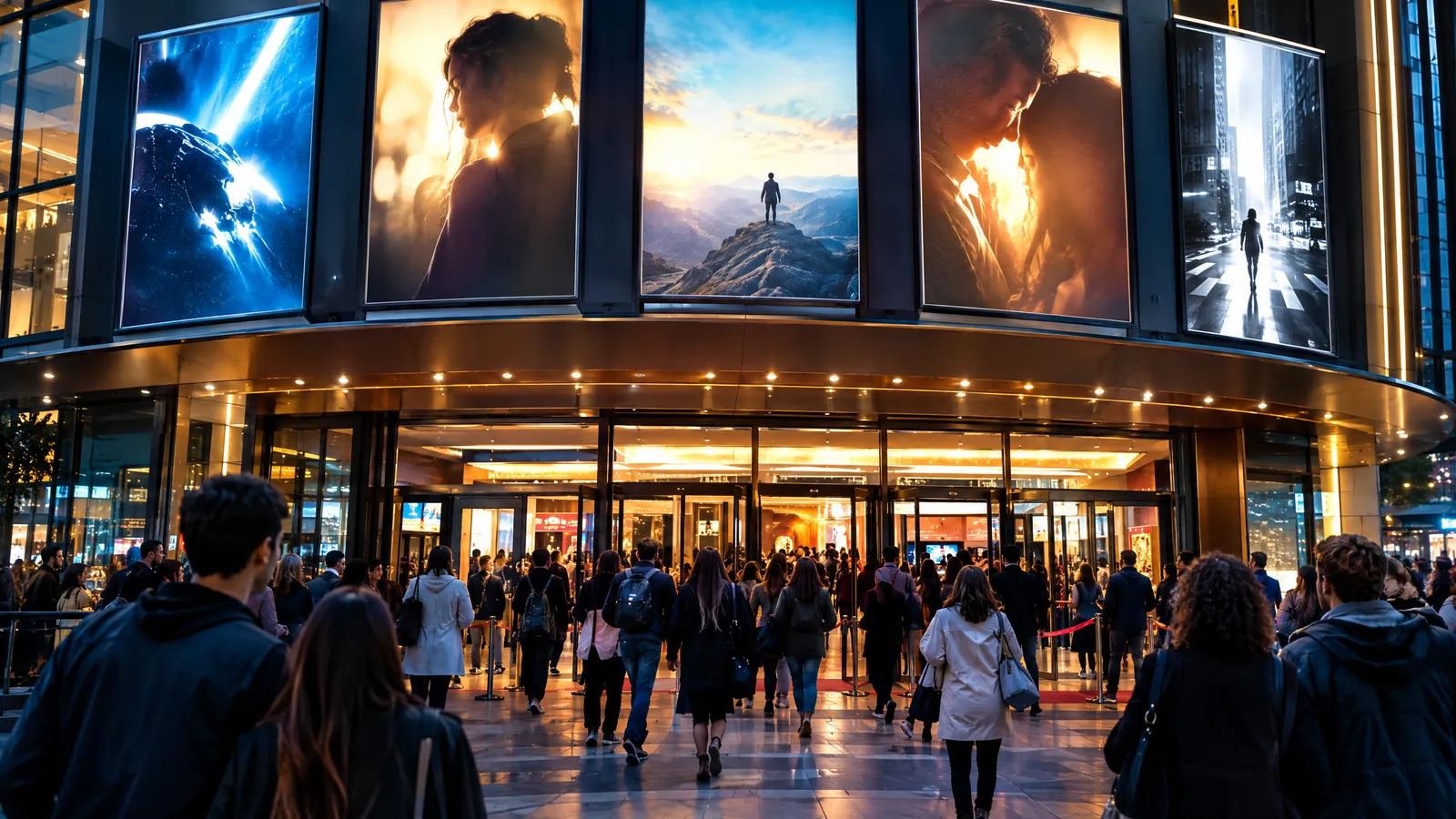
The headline numbers are encouraging for exhibitors. In the United States and Canada, summer theatrical revenue was estimated at $4.76 billion, the highest unadjusted summer total on record and nearly 30% above 2025, according to Rentrak figures reported by the Los Angeles Times. EntTelligence counted 322.8 million tickets, up 22.6% from the previous summer. [2] These North American figures are an important demand signal for an increasingly global release calendar.
The worldwide chart is similarly varied. As of 23 September, Box Office Mojo listed Spider-Man: Brand New Day first, followed by The Odyssey, Toy Story 5, Michael and The Super Mario Galaxy Movie. It also placed Project Hail Mary, Obsession and Backrooms among higher-grossing releases. [1] The mixture includes sequels, a character-based property, a biographical film, an adaptation and titles presented as original stories. It is not a clean rejection of either familiarity or novelty.
There is a caveat beneath the buoyant total. Spider-Man: Brand New Day and The Odyssey together supplied a little more than a third of North American summer gross, the Los Angeles Times reported. [2] Large results can restore confidence while leaving the wider calendar uneven. A healthy market also needs enough mid-sized and specialised releases to keep audiences returning between major events.
Franchise fatigue is selective, not universal
Franchise fatigue is a useful shorthand for a specific problem: a recognised brand no longer guarantees the excitement it once did. It should not be mistaken for proof that audiences reject sequels, comic-book characters or familiar animation. In 2026, established properties have produced some of the year’s largest global results. Disney said Toy Story 5 passed $1.1 billion worldwide by early September, while Universal said its releases had helped it reach $4 billion in global ticket sales by early August. [5] [3]
At the same time, individual titles from well-known brands did not connect equally. Reporting on the summer noted softer results for Star Wars: The Mandalorian and Grogu, the live-action Moana, Masters of the Universe, Supergirl and Minions & Monsters. [2] Viewers appear to be distinguishing between a property and a particular release. A sequel may benefit from awareness, but it must still explain why this instalment is different and worth seeing in a theatre now.
That interpretation is more useful than treating every weaker sequel as evidence of exhaustion. A film’s reception can be shaped by creative response, release competition, franchise frequency, marketing clarity and the perceived scale of its screen experience. International results add further complexity: the top 2026 titles on Box Office Mojo derive between roughly half and two-thirds of their revenue from outside North America. [1] No single market or age group can explain the outcome.
Original films are regaining a visible place
Original films do not begin with the same built-in awareness as a long-running series. That makes a theatrical launch harder when marketing competes with streaming releases and online clips. Yet 2026 has supplied examples outside the usual sequel pattern becoming part of the wider conversation. Bloomberg identified original film Obsession alongside low-budget horror Backrooms and the independent Iron Lung among the year’s successes, while Universal described Obsession and Disclosure Day as evidence of demand for original storytelling. [6] [3]
The lesson is not that every new idea will travel globally. Results remain unpredictable, and a film can be original in one sense while drawing on a book, a creator’s reputation or an online community in another. The practical point is that audiences respond to a clear proposition. Horror can offer a communal reaction; a large-format epic can offer scale unavailable at home; a character drama can benefit from conversation and reviews. Originality helps most when paired with a reason to participate.
For cinemas, this variety also has operational value. A schedule with animation for families, local-language releases, suspense films, documentaries and prestige drama reaches groups that do not all arrive on the same weekend. The strongest slate is not simply one with the biggest brands. It is one that gives different audiences a credible reason to make the journey at different times.
The audience is choosing the experience, not only the title
The return to cinemas is closely tied to the kind of outing a film can create. Variety’s account of a Fandango survey of 7,000 adults found Gen Z respondents treated moviegoing primarily as a social activity, while millennials more often described it as an escape from routine. The report said younger viewers were especially active visitors and spent more on food, drink and premium-format screens. [4] The survey is not a census of all markets, but it helps explain why social conversation and a distinctive venue experience can rival brand recognition.
Premium large formats are part of that calculation. The North American summer benefited from Imax and other enhanced screens, with The Odyssey a major draw, the Los Angeles Times reported. [2] Higher prices can lift gross revenue, so ticket revenue and attendance are not identical measures. The ticket-sales increase is an important companion to the revenue figure, and observers will watch whether visits continue after the largest event releases leave screens.
For Indian audiences, the pattern has a familiar dimension. A cinema visit may be chosen for a collective atmosphere, a convenient showtime, a preferred language or a special format, alongside the film itself. Streaming has made home viewing easier, but it has also raised the threshold for a theatre trip. The theatrical release that stands out is increasingly the one that feels time-sensitive, communal or visually distinctive.
What happens next
The next test is whether the late-2026 calendar can sustain attendance without relying on only a few releases. Disney’s announced autumn schedule ranges from an Avengers re-release and documentary events to an original animated feature, Hexed, and other new titles. [5] That mix reflects an industry attempting to serve both recognition and discovery. It also means that one weekend’s result should not be used to settle a wider argument about audience taste.
The clearest conclusion from 2026 so far is modest but significant: audiences have not abandoned the cinema or the franchise. They are being more selective about both. Strong concepts, visible differentiation, local relevance and an experience worth leaving home for appear to matter more than a familiar name by itself. External reporting and official sources were reviewed for this article; worldwide totals and release outcomes can change as films remain in theatres.
Questions readers ask
What does franchise fatigue mean in cinema?
It describes a situation in which a recognised series or shared universe no longer creates the same urgency among audiences. It does not mean that all sequels fail; rather, viewers may demand a clearer reason to see each new entry.
Are original films outperforming franchises in 2026?
No single category is outperforming everywhere. Major franchises remain among the largest global releases, while newer and non-franchise films have also become prominent successes. The evidence supports a more mixed market.
Why do ticket revenue and attendance need to be read together?
Revenue can rise because of more tickets sold, higher ticket prices or a larger share of premium-format screenings. Attendance helps show whether more people are actually returning to cinemas.
Sources
- 2026 Worldwide Box Office — Box Office Mojo. Accessed 2026-09-23.
- A $4.76-billion summer put movie theaters back on track. Now comes the hard part — Los Angeles Times. Accessed 2026-09-23.
- Universal Becomes First Studio to Reach $4 Billion at the Global Box Office in 2026 — Comcast / Universal Filmed Entertainment Group. Accessed 2026-09-23.
- Gen Z Goes to the Movies! Younger Audiences Are Driving the Box Office, Study Shows — Variety. Accessed 2026-09-23.
- Disney Movies Coming to Theaters Fall 2026 — The Walt Disney Company. Accessed 2026-09-23.
- This is the year we went back to the movies. Here are eight lessons Hollywood learned — Bloomberg Businessweek. Accessed 2026-09-23.
Prepared by Anna News Desk. External reporting and official sources were reviewed on 23 September 2026. This is explanatory journalism, not a prediction of future box-office performance.