At a glance: a global forum in a crowded diplomatic week
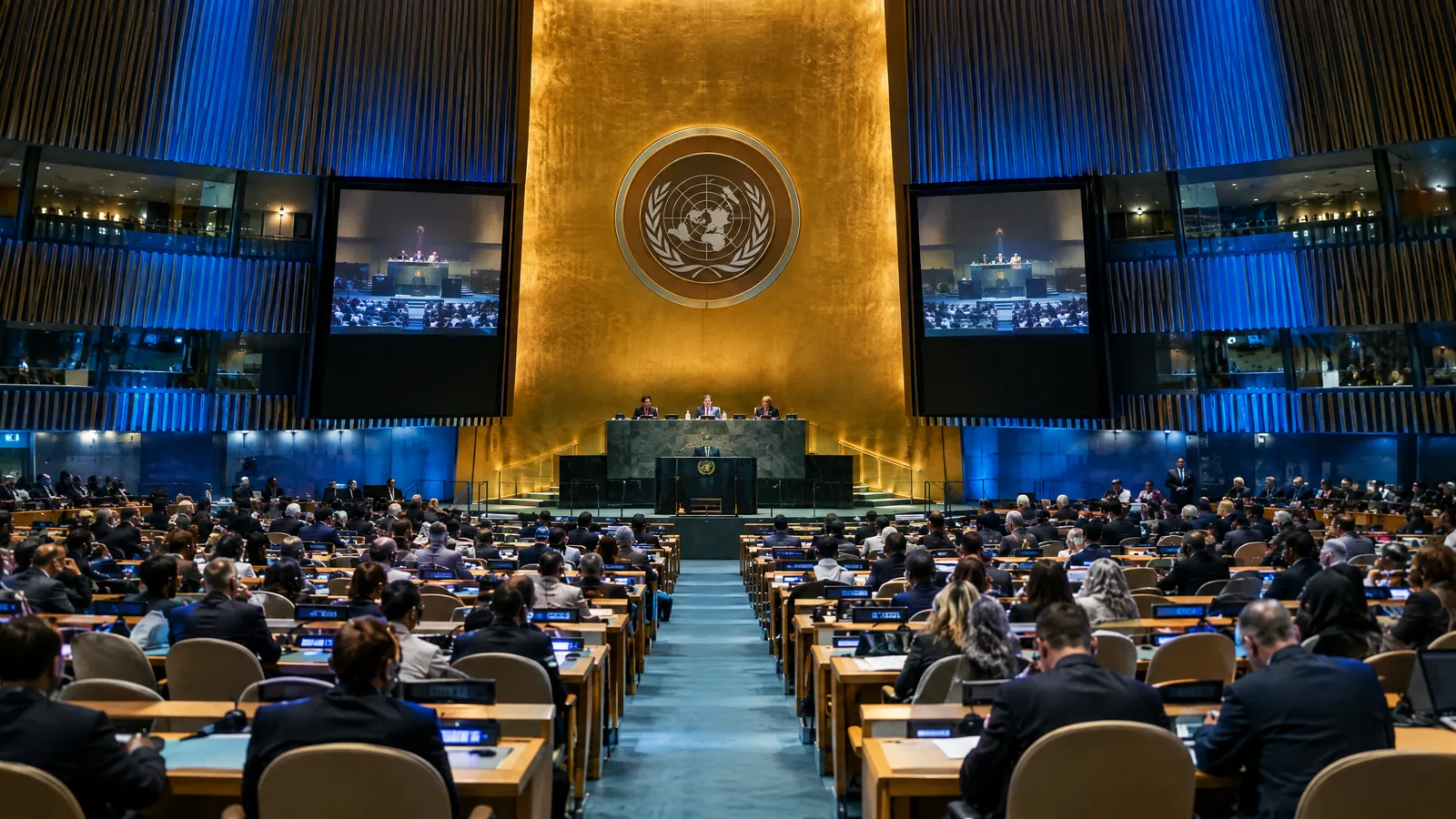
The United Nations General Assembly's eighty-first session has moved into its most visible stretch: High-Level Week in New York. The General Debate began on 22 September, continues through 26 September and returns on 28 September; the wider high-level programme runs until 29 September. Alongside the debate, the official calendar includes meetings on the right to development, sea-level rise, pandemic preparedness, racism and nuclear disarmament. [1]
For a broad audience, it helps to separate the televised chamber from the wider exercise. The General Debate gives every UN Member State a platform to state priorities before peers and global media. It does not itself settle a war, approve a peace plan or compel a government to change course. Its value lies in setting positions in public, testing language that may reappear in negotiations, and bringing foreign ministers, officials and heads of government into the same city at the same time.
That concentration is why the week commands attention even when diplomacy is strained. The UN's live portal lists the daily sequence of statements and makes speeches, video and documents available as they are processed. It describes the debate as the annual occasion on which each Member State takes the podium. [2] The result is both a public record and a practical calendar for dozens of quieter meetings.
What the speeches reveal — and what they cannot deliver
The Assembly's theme is “Restoring trust, managing transformation: a United Nations that delivers for all”. [2] That wording captures two pressures at once. Governments want the UN to respond to immediate insecurity, while many also argue that international rules and institutions are not keeping pace with technological change, climate risks and unequal access to finance. The opening order is itself part of the ritual: Brazil speaks first by established practice, followed by the United States, before the schedule broadens to leaders and senior representatives from across the membership. [2]
A speech can clarify a red line, signal readiness for talks, seek support from other capitals or speak to a domestic audience. It can also expose the distance between governments. For that reason, listeners should distinguish between a country's stated objective and an agreed outcome. Formal resolutions, Security Council decisions, bilateral agreements and operational action follow different procedures and may take much longer than a week of addresses.
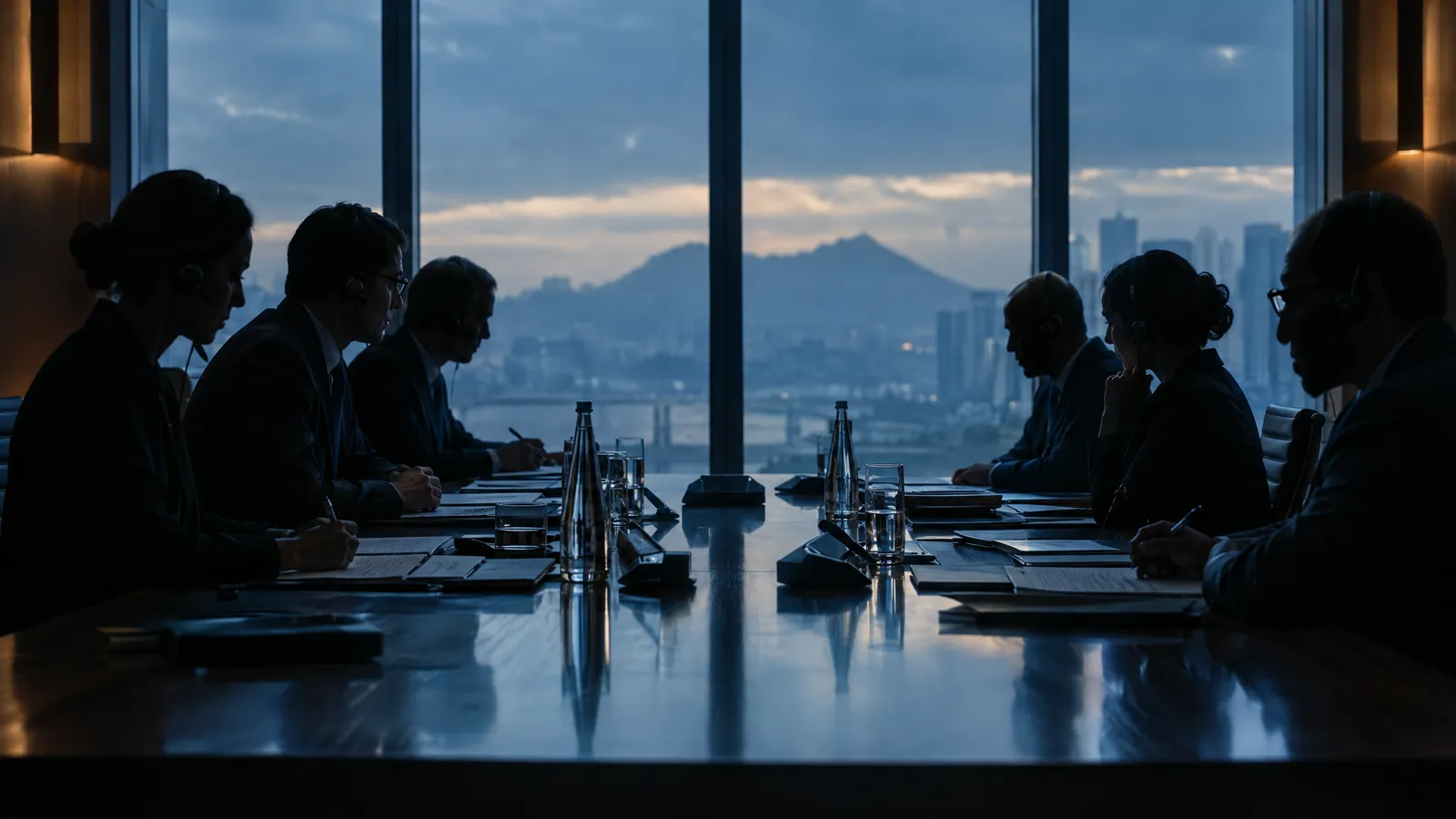
The diplomatic test is whether the public messages create room for follow-up. Established reporting before the week pointed to planned contacts on Ukraine, the Middle East and other regional questions, while the packed attendance also creates opportunities for countries with fewer resources to meet several counterparts in one place. [6] No announcement from the podium should be read as proof that difficult negotiations have been completed.
The conflict agenda: Gaza, Ukraine, Iran and regional security
Conflict diplomacy is the clearest measure of the Assembly's limits and continuing usefulness. On 23 September, a high-level event titled The Road Ahead examined the two-State solution and a comprehensive peace plan for Gaza. The UN said the meeting was hosted by Canada, France, Saudi Arabia and the United Kingdom and built on the 2025 New York Declaration. [7] The discussion places humanitarian needs, political arrangements and regional security in the same conversation, but it does not remove the need for the parties and other influential governments to reach workable terms.
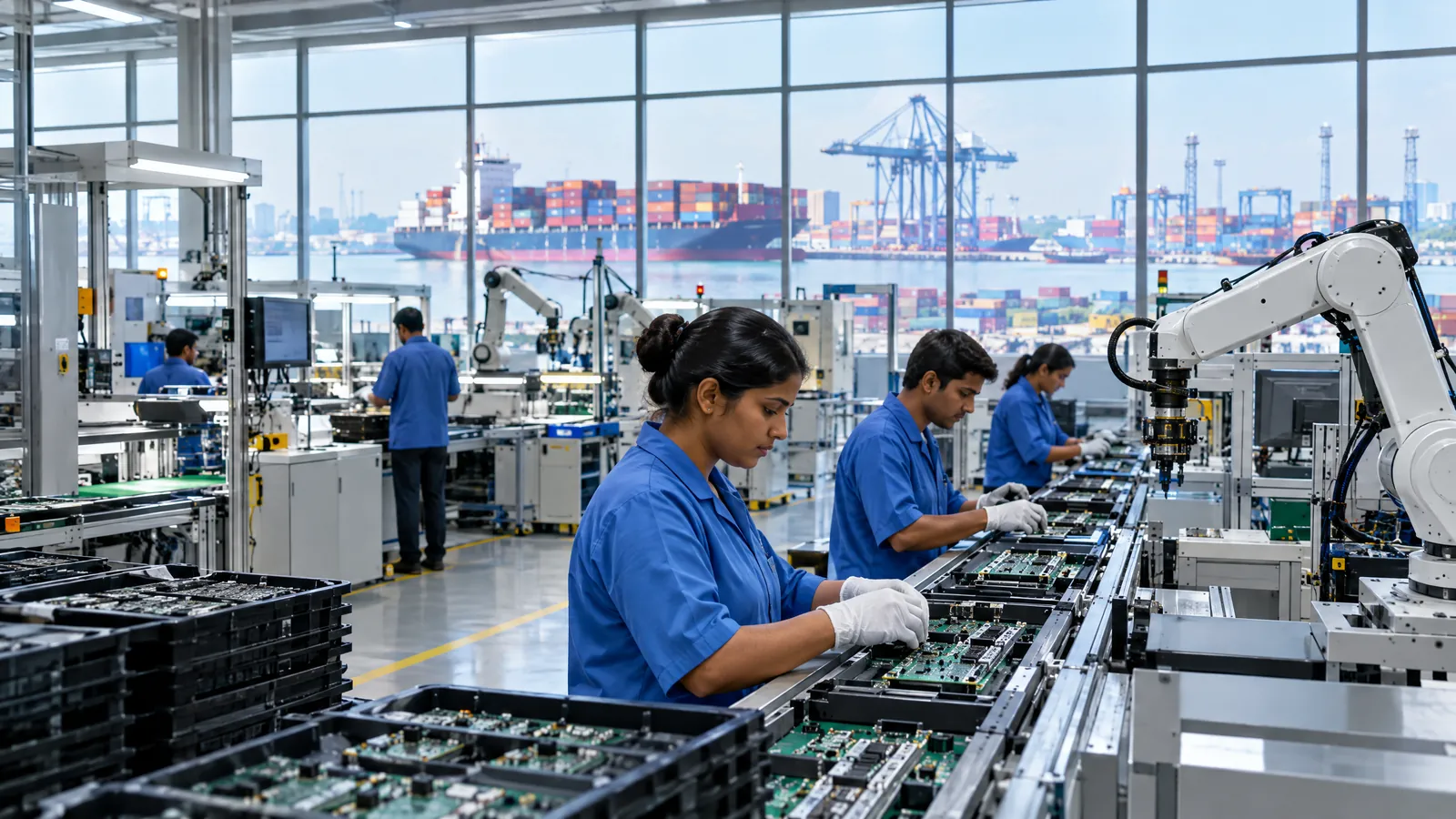
Ukraine remains another central concern. Reporting ahead of High-Level Week described efforts to sustain international support and pursue contacts around the conflict, with Russia's foreign minister also due in New York. [6] In parallel, tensions involving Iran and maritime routes have kept regional security on the agenda. These issues overlap: disruption at sea can affect energy, freight and food costs far beyond the immediate theatre, including for households and businesses in India and other import-dependent economies. The size and duration of any effect remain uncertain because they depend on security conditions, policy responses and shipping access.
The Assembly can convene, document positions and add political weight to shared principles. It cannot substitute for consent from combatants or for the Security Council where its powers are required. That distinction matters when evaluating the week: progress may be a clearer channel for future talks, expanded humanitarian access or a smaller area of disagreement, rather than a final settlement.
Why development, climate and reform are part of the same argument
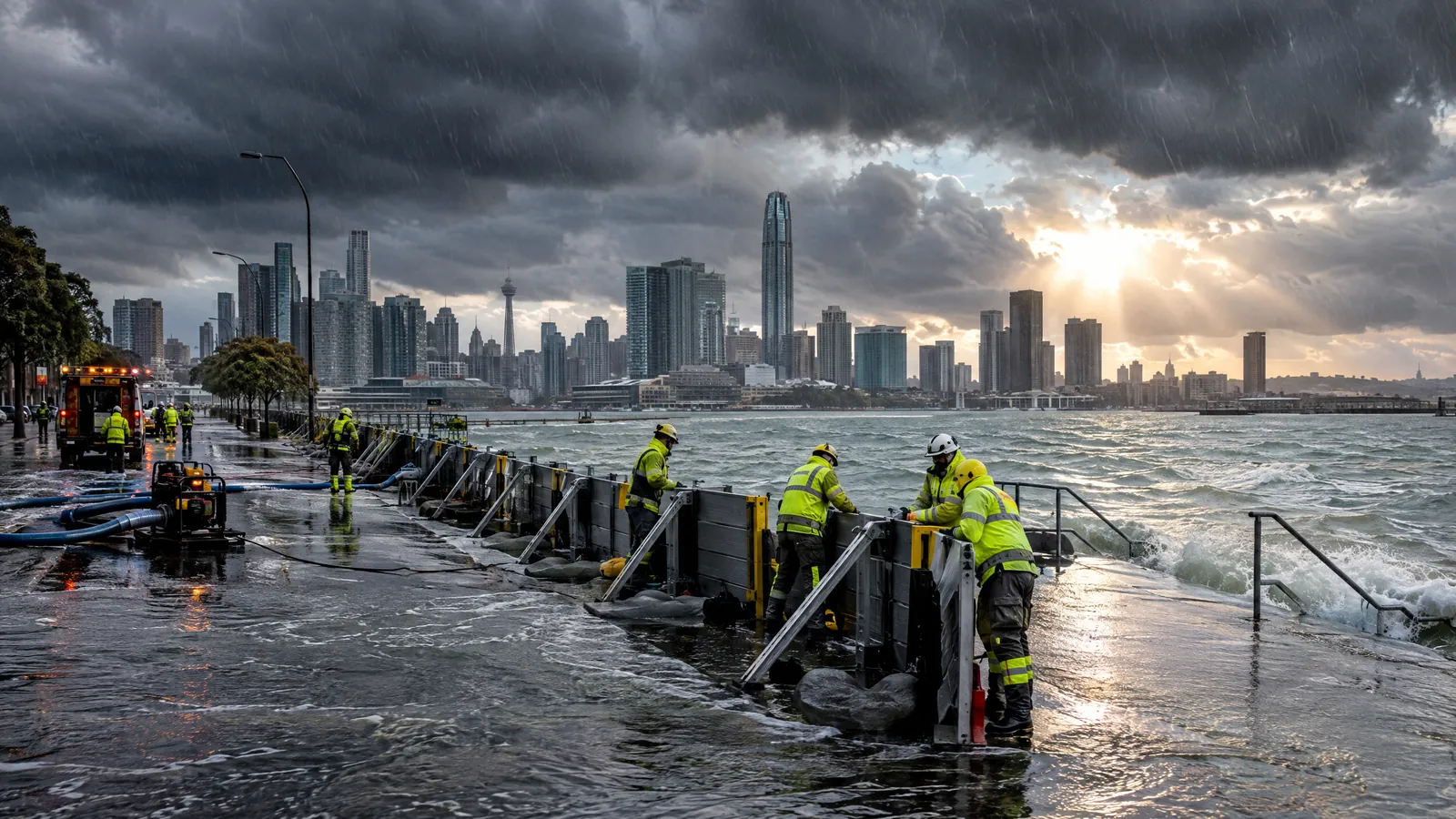
The most consequential arguments are not limited to security. The official programme puts sea-level rise on 24 September and pandemic prevention, preparedness and response on 25 September. [1] These meetings underscore how climate exposure, public health capacity, debt pressures and access to technology shape national resilience. They are also questions of representation: smaller and developing states want decisions about financing and rule-making to reflect the risks they face.
India has made that connection visible in New York. External Affairs Minister S. Jaishankar is leading the Indian delegation and is scheduled to address the high-level session on 26 September. [3] On 22 September, he chaired a meeting of like-minded Global South countries and friends. India's Ministry of External Affairs said participants discussed conflicts' effects on food and energy security, volatility in trade and investment flows, seafarer safety, extreme weather and delays in meeting the Sustainable Development Goals. [4]
The same meeting called for comprehensive UN reform and greater Global South coordination. [4] That debate includes how institutions distribute influence, not simply how quickly they deliver aid. It also explains why technology and artificial intelligence are appearing beside traditional diplomatic subjects. Rules, skills and access can affect development outcomes; yet agreement is difficult when states differ over security, regulation, intellectual property and funding.
What happens next
On 23 September, the live debate resumes in the morning New York time, and the next formal programme includes the sea-level-rise meeting on 24 September, pandemic preparedness on 25 September, further General Debate sessions through 26 September and the final debate day on 28 September. [1][2] Readers tracking a national position should look for the official statement or video, rather than relying only on a short clip or a headline.
The more important follow-through will unfold after New York: bilateral contacts may continue, draft texts may move through UN bodies, and regional or specialist forums may carry forward individual files. Outcomes will be shaped by political consent, financing and conditions on the ground. The Assembly has not removed the divisions confronting multilateral diplomacy, but it has created a rare, time-bound setting in which governments must state their priorities alongside those divisions.
Questions readers ask
What is the difference between UN High-Level Week and the General Debate?
High-Level Week is the broader September programme of leader meetings and side events. The General Debate is its central series of national statements in the General Assembly hall.
Can the General Assembly itself end a conflict?
It can convene states, adopt resolutions and build political pressure, but conflict outcomes require action by the parties and, in many cases, other UN bodies and regional actors.
When is India scheduled to speak?
India's Ministry of External Affairs said External Affairs Minister S. Jaishankar is scheduled to address the high-level session on 26 September 2026. [3]
Sources
- Meetings and Events — Eighty-first session of the UN General Assembly — United Nations. Accessed 2026-09-23.
- General Debate — 81st session — United Nations. Accessed 2026-09-23.
- Visit of EAM Dr. S. Jaishankar to New York, USA for the High Level Week at the 81st Session of the United Nations General Assembly — Ministry of External Affairs, Government of India. Accessed 2026-09-23.
- High-Level Ministerial Meeting of Like-Minded Global South Countries and Friends — Ministry of External Affairs, Government of India. Accessed 2026-09-23.
- UN General Assembly, New York, 21–25 September 2026 — European Council and Council of the European Union. Accessed 2026-09-23.
- What to know as world leaders converge at the United Nations this week — NPR. Accessed 2026-09-23.
- ‘Time is running out’ for Israel-Palestine two-State solution — United Nations in Palestine. Accessed 2026-09-23.
By Anna News Desk. Official United Nations and Ministry of External Affairs materials, plus external reporting from NPR, were reviewed on 23 September 2026. Google Trends data was checked when accessible; no usable Trends endpoint was available, and this article makes no claim about exact search volume.